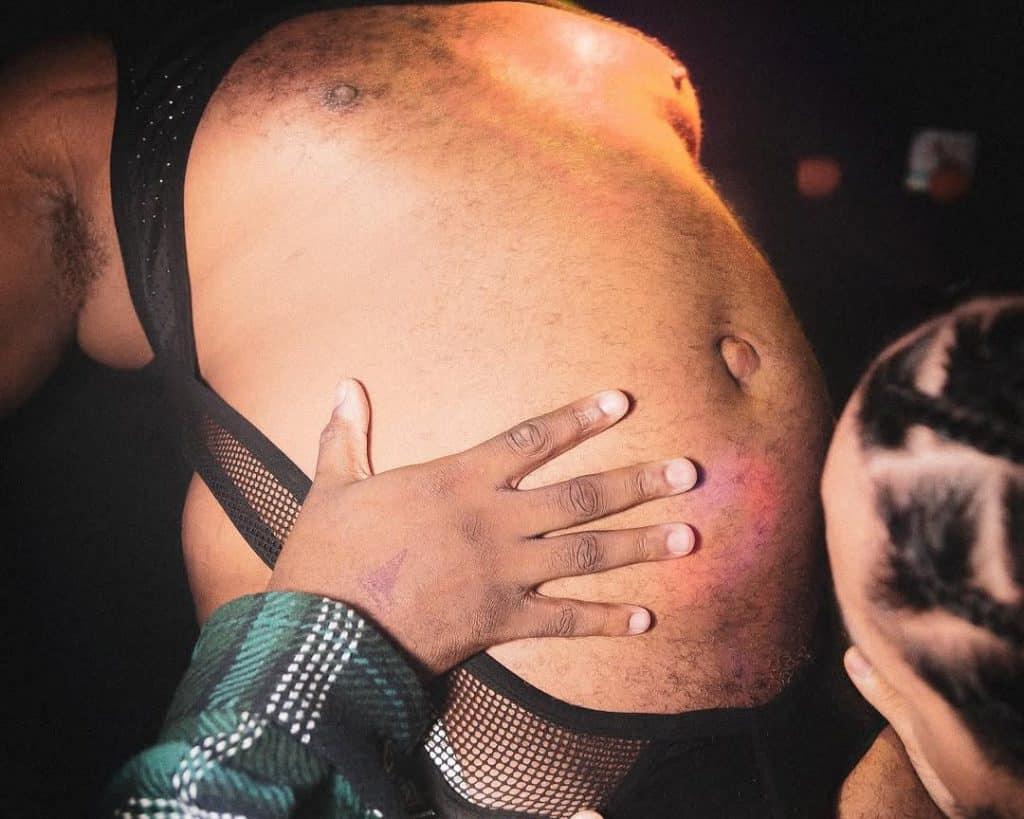


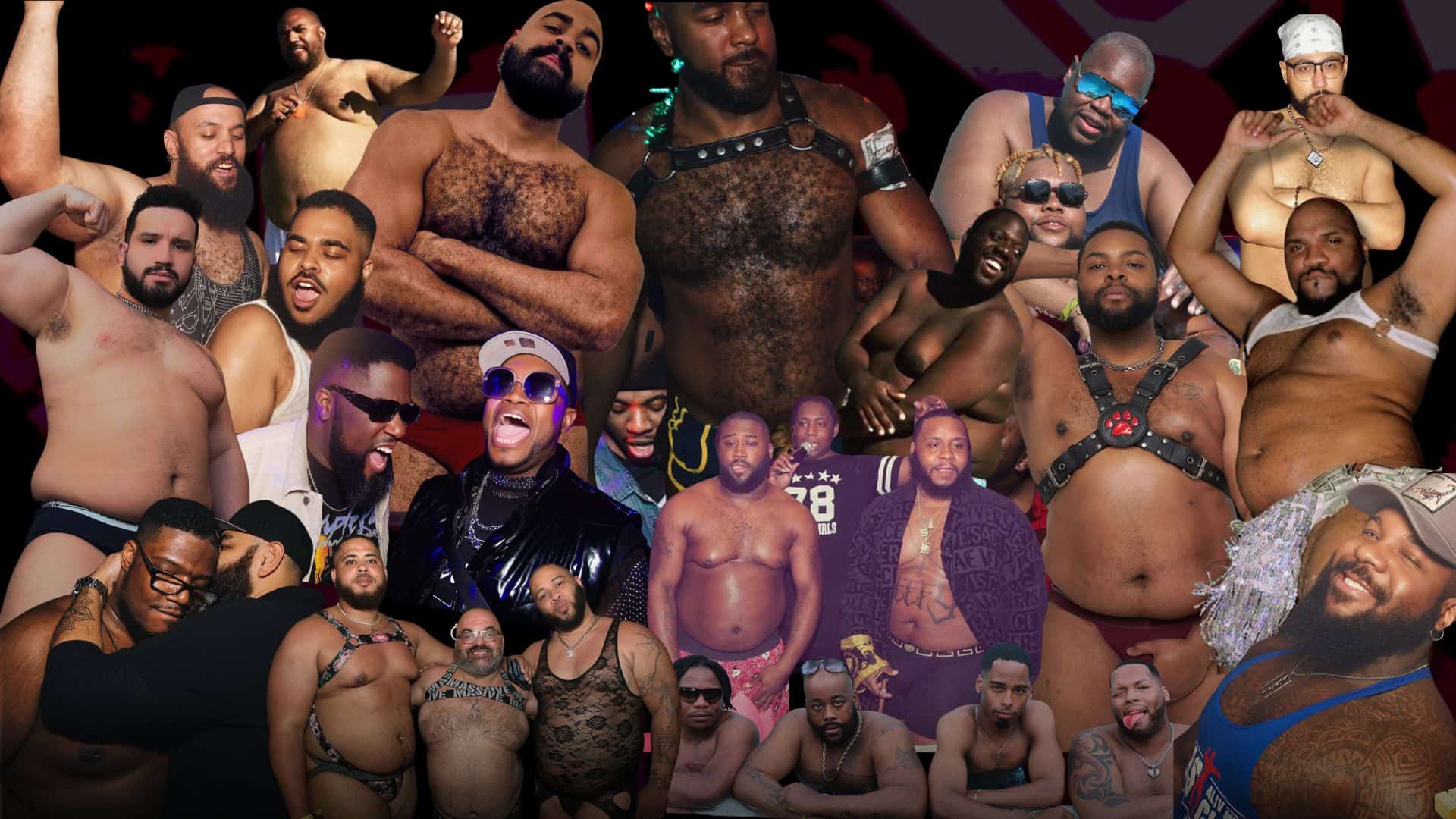

For decades, gay nightlife has operated under an unspoken caste system of desirability. Lean bodies, gym bodies, whiteness and masculinity have historically dominated club culture marketing, especially during the peak circuit era. The infamous “No Fats, no Femmes” mentality didn’t emerge out of nowhere. It was social currency. That rejection is what pushed many larger queer men to create their own ecosystems.
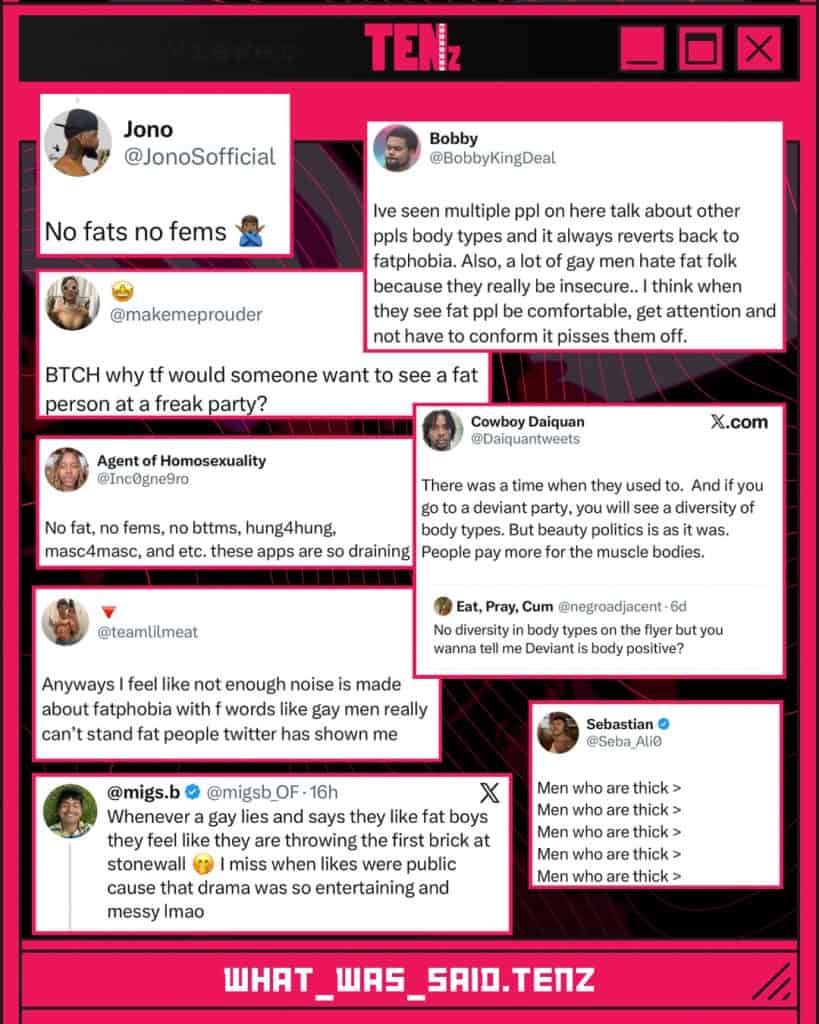
In the age of social media, the conversation rotates every five to seven business days. Some slick-mouthed sissy is going off about fat men on dating apps. Somebody else is vague-posting, “If you have a body like this, message me.” Then comes the critique about the lack of representation for bigger men at mainstream gay parties, whether on the flyer or on the dance floor itself. And while the observation is valid, the reality is this: there have always been spaces for the hefty, husky and hungry.
When I first began navigating nightlife in New York City, I challenged myself to experience as many scenes as possible. Uptown, downtown, ballroom, club kid culture, circuit parties, drag bars, dive bars, warehouse functions and the already limited Black and brown queer spaces scattered across the city.
Eventually, I worked my way through nightlife itself, from paying cover at the door, to nightlife photographer, to host, curator and cultural commentator.
Throughout that process, there were always a few standout big men in the mix. Unbothered. Confidently dressed. Breaking a fabulous sweat on the dance floor at 3AM. But there were also clusters of bigger men standing in the shadows, watching the fun happen, seemingly existing just outside the center of attention.
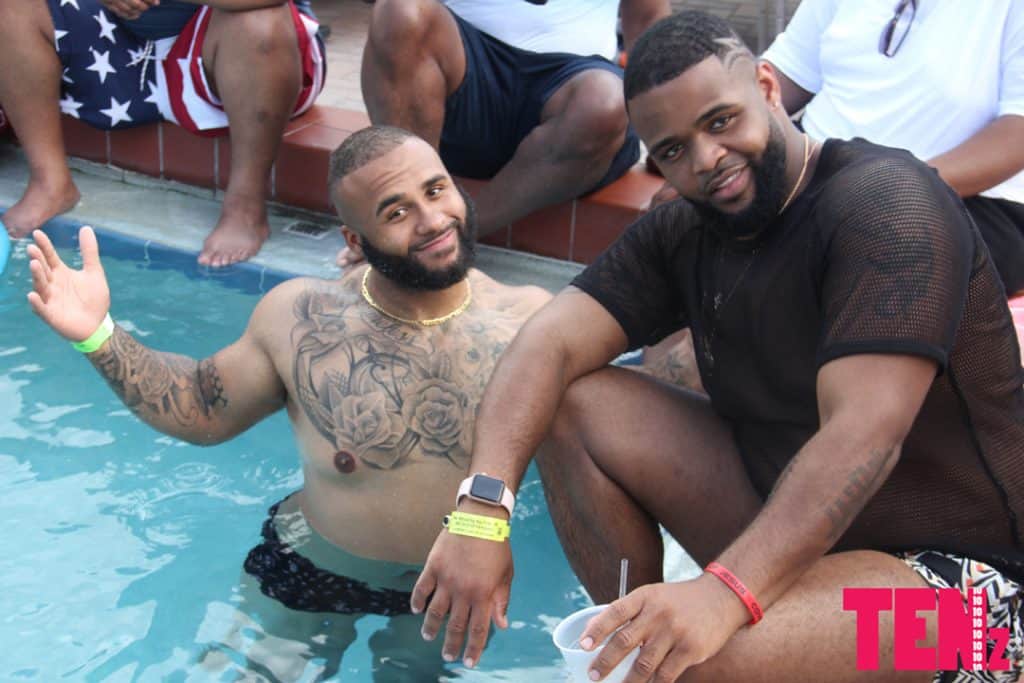
It wasn’t until I was booked to capture events for Big Brothas Network, founded by Tony Brown, that I truly experienced a space centered around fat queer men, particularly Black same-gender-loving men, being in community with one another and openly desired by one another. And there’s a difference between inclusion and centering.
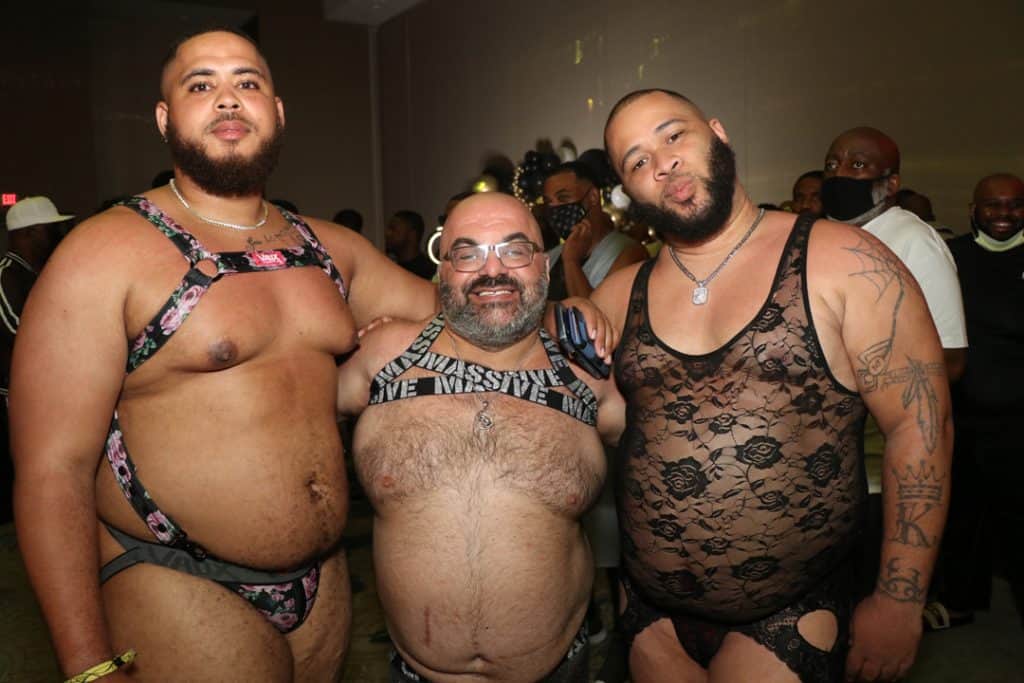
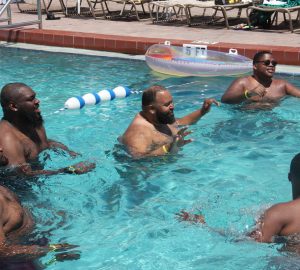
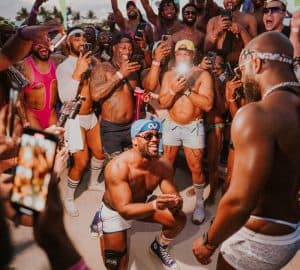
After shooting a few events for BBN, I was booked for their signature event, Big Boy Pride, where the big boys came from around the country, and even across the globe, to let it all hang out. Pool parties. Ballroom categories. Drag shows. Workout sessions. BBQs. Sunday service with a choir full of big boys. It felt less like a party weekend and more like an intentional community gathering.
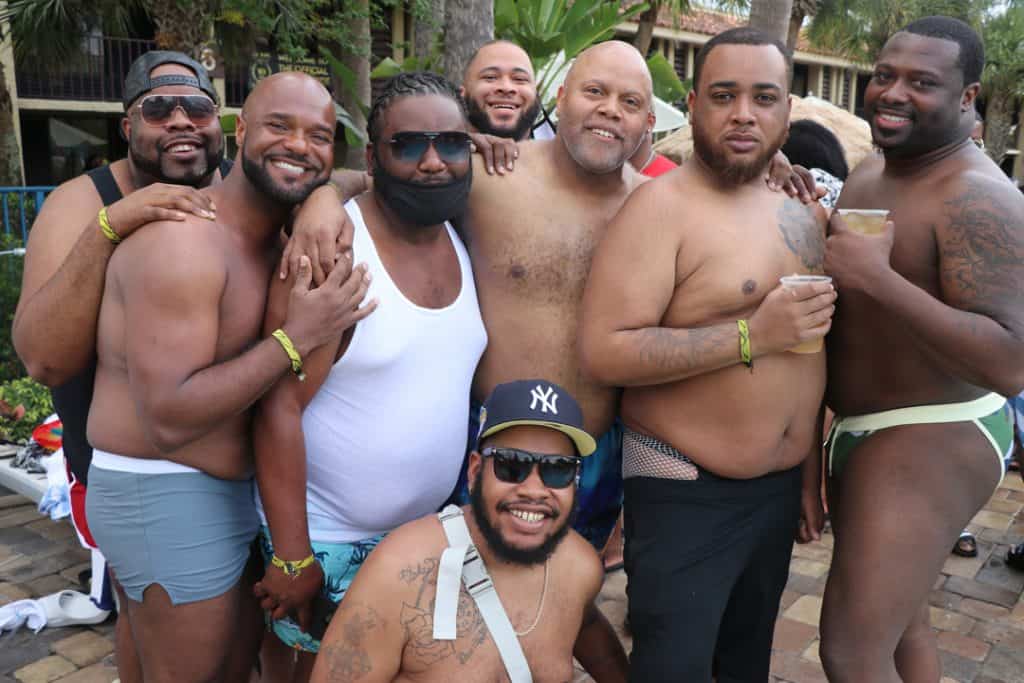
“Big Boy Pride was created because there was a void in the community,” one co-founder explained. “Other prides that were inclusive of people of color weren’t as inclusive of guys of all sizes. The event has grown from just 89 attendees in 2011 to now close to 1,000.”
What stood out most wasn’t simply attraction or fetishization. It was ease. There was noticeably less concern about tailoring your appearance to fit someone else’s standards. People simply existed. While I never personally felt devastated by the desirability politics of mainstream nightlife, there was something deeply different about being in a room where bigger bodies were not treated as a compromise, joke or niche category. We were the main event.
After Big Boy Pride, I found myself increasingly adding bear parties into my nightlife rotation. Friends and I would occasionally pop into The Eagle, Rockbar and Gym Bar. While I did find the bears, there wasn’t always a sizable Black and brown presence or a range of music beyond Top 40 and ’80s dance classics.
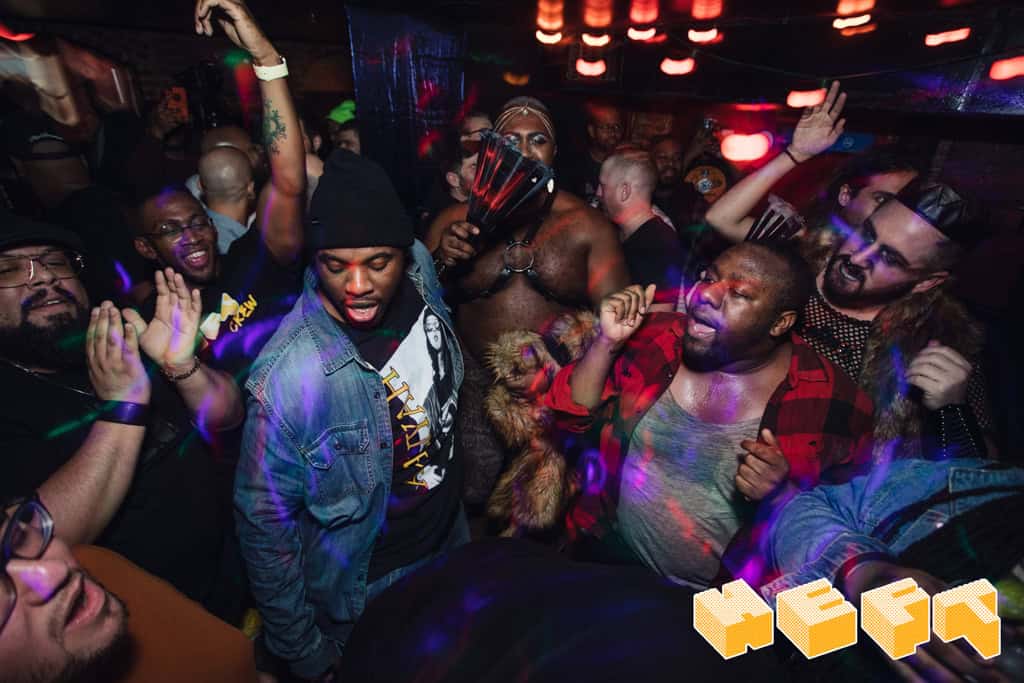
That would change with the introduction of HEFT, founded by Will McKinney-Raphelt, which brought R&B, house, hip-hop and hefty boys to Parkside Lounge.
“These spaces were created as a direct result of not fitting the beauty and social standards that had been established by white bears,” Will says. “That feeling of otherness left some feeling underrepresented and seeking spaces that were more uplifting and enjoyable.”
Definitely, the bigger bodies initially drew me into the parties, but what made me stay was the perceived sense of community and the freedom of coming as you are. That nuance matters. Because even inside bear culture itself, tensions around race, beauty standards and desirability still surface. Bear culture is often flattened into one monolithic aesthetic: lumberjack masculinity, beards, body hair and hypermasculine presentation. But the reality is far more expansive. Black bears. Latino bears. Fem bears. Chubby club kids. Leather daddies. Soft boys. Plus-size femmes. Different music. Different desires. Different politics.
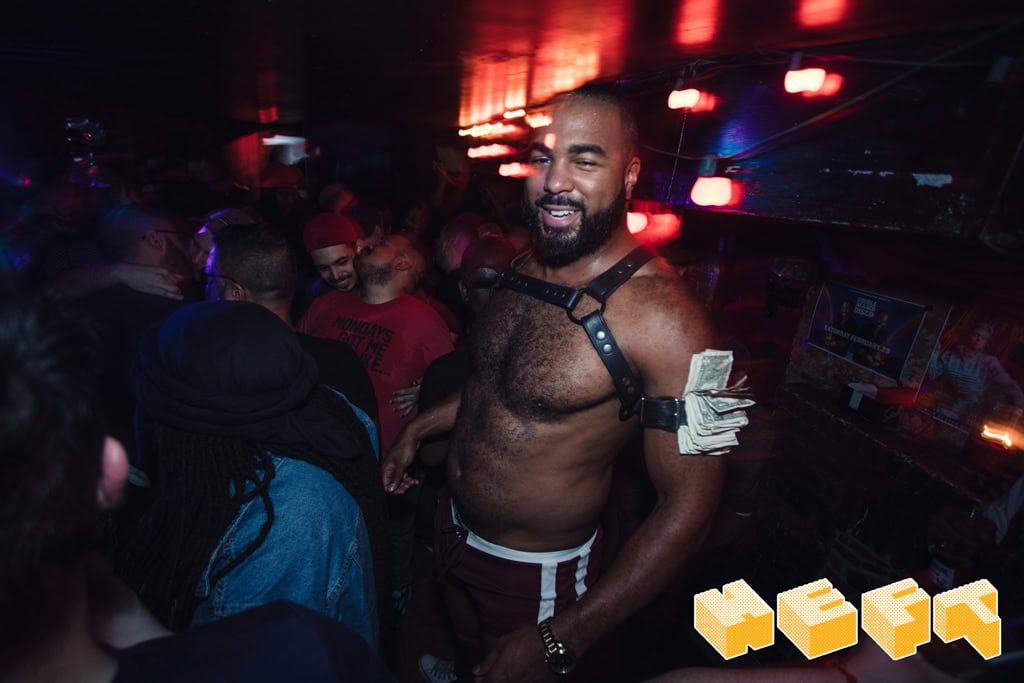
“As the community grew, so did the diversity of people and interests within it,” Will explains. “Bears from all walks of life felt this was a safe space.”
And just because people share body types does not mean they all want the same experience.
“A select few have set a standard and everyone placates this standard in an effort to fit in,” Will says. “Which I guess mirrors common society. But there is room for diversity.”
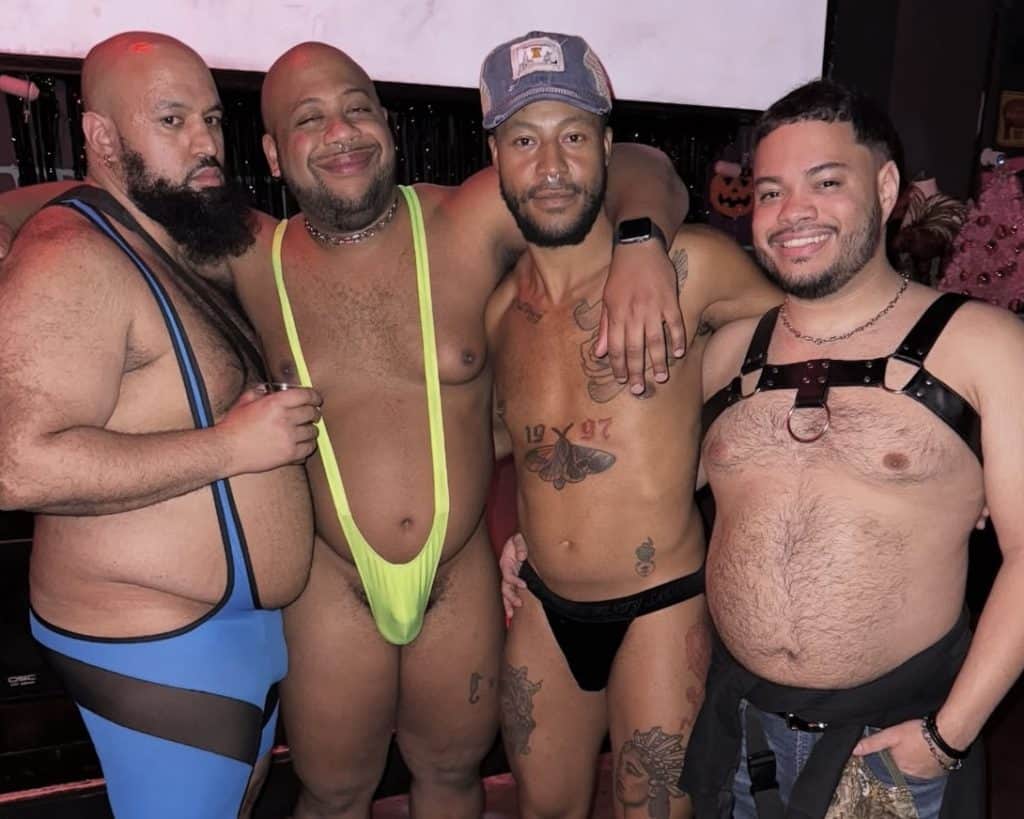
That same desire for cultural and racial inclusivity is what led Jorge Mdahuar aka JEM to found Bear Milk.
“I’ve always been thick,” he says. “I never felt welcome in ‘regular’ gay nightlife. You see how exclusive the gay community is with its ‘no fats, no femmes, no etc’ culture.”
After discovering the bear scene around 2010, Jorge still found himself wanting more.
“There were limited bear parties back then, maybe two, and they mostly catered to white muscle bears. It was a step closer, but I really wanted to create a space where all bodies were celebrated. A place where we could dance to music that reflected my culture.”
As a Mexican-Lebanese creative raised in Mexico City, representation became central to the vision.
“I wanted to see people of color on bear party flyers. Music catered to my community. That’s how Bear Milk started.”
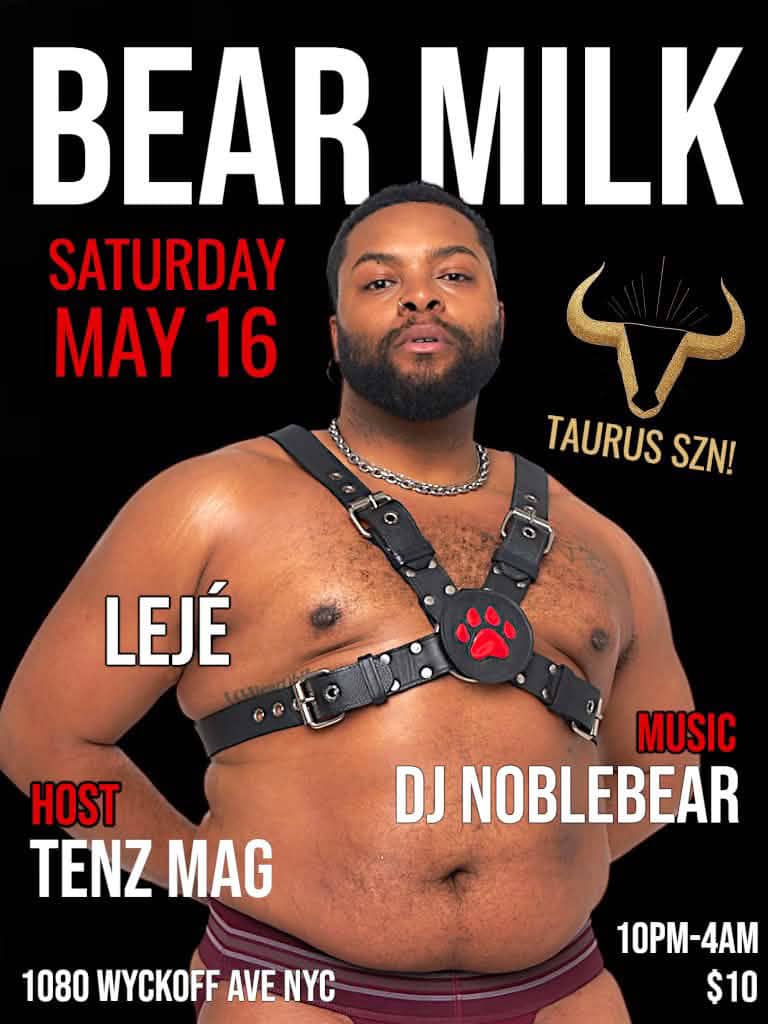
Bear Milk also intentionally expanded geographically. At the time, there were virtually no dedicated bear parties happening in Queens or Brooklyn.
Launching at The Deep End in Ridgewood, the party carved out its own lane, including the addition of a dark room at a time when not every queer party in New York had one.
Now approaching its 10-year anniversary, Bear Milk has become one of the city’s defining plus-size queer nightlife institutions.
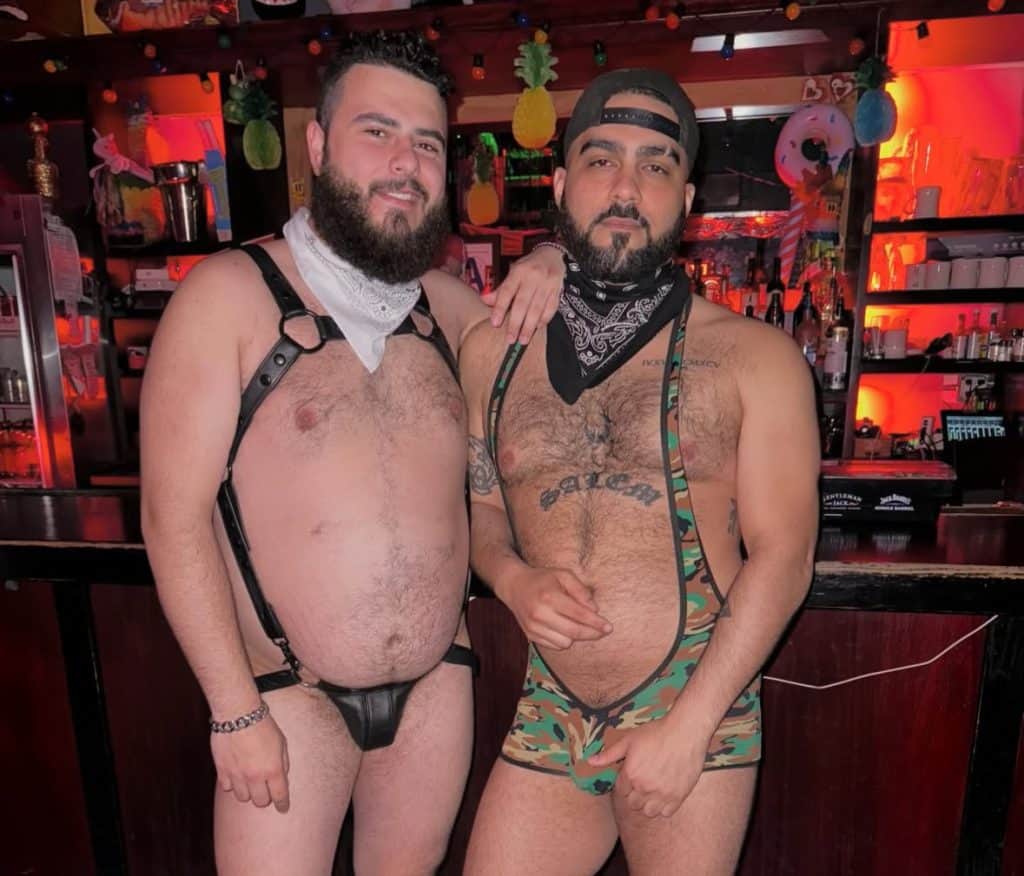
“People come up to me all the time and say they have never felt comfortable taking their shirt off until Bear Milk,” Jorge says. “That they feel sexy and free of judgment there. That means the world to me.”
That emotional liberation is something mainstream nightlife conversations often miss. These spaces are not just about sex, partying or body preference. They’re about visibility without apology.
“I found self-love and pride in my body,” he says. “That I am enough.”
Some current and longstanding NYC-centered bear and plus-size nightlife spaces include:
Bear Milk at The Deep End
Big Boy Pride
HEFT
Bears Night Out at Rockbar
Body at Phoenix Bar
Bearnaked at Phoenix Bar
Big Boys Club at Nowhere Bar
Fat Fuk at Nowhere Bar
BEEF at Albatross Bar
Gorditos at Rockbar